




Three pages in our own catalogue carry mulberry material, and no two of them describe it the same way. The mulberry leaf extract page prints a 10:1 ratio with TLC as the test method. A fruit extract page prints the same 10:1 ratio, also by TLC, against a different CAS registry entry. A powder page prints 10:1 as well but names UV. Anyone comparing mulberry leaf extract offers across these three pages is comparing the one figure all three share, and skipping the four fields where they part.
01 Why Three Mulberry Pages Carry Three Different Specifications
Are these three pages three grades of one product?
No. They describe three articles. A leaf extract, a fruit extract and a whole-fruit powder come from different parts of the plant and leave the process in different states, so the field that names the part is the one that separates them before any number is read. A grade is a position on a scale for one article; these are three different articles.
Why does the same 10:1 appear on all three?
Because the ratio records one relationship only: how much raw material went in for each unit that came out. It says nothing about the plant part, the test method or the identity of the material, so it can coincide across articles that have nothing else in common. Three pages printing 10:1 is not three pages agreeing on a specification; it is three pages agreeing on a process figure.
02 What "10:1" Is Actually Measuring
Does 10:1 describe a content figure?
No. A content figure names a compound and states how much of it was measured. A ratio names neither. It is the arithmetic of the batch: input divided by output, recorded to one decimal-free step. A buyer who reads it as a content figure will expect a consistency between suppliers that the figure was never built to carry.
What has to be named before two ratios can be compared?
The part, the solvent and the method. Two 10:1 materials made from different parts, or extracted with different solvents, are not the same article at the same ratio. The order in which to check those fields is set out in our notes on verifying a plant extract supplier.
Ask also how the ratio is checked: against an input record, a batch record, or nothing at all. A supplier who can show input against output is describing a process; one who prints 10:1 on every mulberry leaf extract sheet, whatever the crop year, is describing a template.
03 Leaf, Fruit or Whole Powder: The Three Different Articles
Is a leaf extract and a fruit extract the same material at different strength?
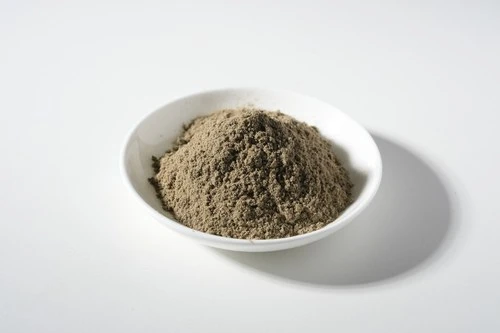
They are different materials. The leaf page declares a yellowish green powder; the fruit extract page declares a brownish yellow one. Colour is the visible consequence of a different starting part, and it separates the two before any assay is run.
What does "powder" mean when the page also sells an extract?
It means a physical state, not a category. The mulberry powder page is a dried whole-fruit material tested by UV, while the two extract pages are extracted and re-dried materials tested by TLC. Read side by side, the five lines below are what differ.
| Field | Leaf extract page | Fruit extract page | Powder page |
|---|---|---|---|
| Appearance | Yellowish green powder | Brownish yellow powder | Yellowish brown powder |
| Test method | TLC | TLC | UV |
| Ratio | 10:1 | 10:1 | 10:1 |
| CAS registry entry | 19130-96-2 | 2627-95-4 | 2627-95-4 |
| Standard packing | 25 kg fibre drum | 25 kg fibre drum | 1 kg and 5 kg |
Read down each column rather than across the ratio row: the ratio is the only line that matches.
04 TLC on Two Pages, UV on the Third: Can You Compare Them?
What does TLC establish that UV does not?
TLC separates a sample on a plate and produces a pattern that can be compared against a reference pattern. A UV reading measures absorbance at a chosen wavelength and produces a number. One is an identity check that happens to be visual; the other is a measurement that depends on the chosen wavelength. Neither substitutes for the other, and a figure from one cannot be set against a figure from the other.
If two pages both say TLC, are their figures comparable?
Only if the reference standard, the plate system and the detection step are the same. TLC is a method family, not a single procedure, and two laboratories can run it differently and still describe the result as TLC. That is why the method name alone is the beginning of the question, and the written procedure is the end of it.
05 Appearance as a Purchase Criterion
Do three different colours mean three different materials?
Here they do, because the three pages start from different parts. Across suppliers of the same article, though, colour mostly tracks the process: drying temperature, milling fineness and the age of the lot all move it. Colour is therefore a weak comparator between suppliers and a strong comparator between lots of one supplier.
What should an appearance line actually be used for?
Matching an incoming lot against a retained sample of the lot you already qualified. That use needs a physical reference, not an adjective, because "yellowish green" will read differently to two people looking at two screens.
An adjective copied from a certificate into your own purchase specification becomes a requirement you cannot measure. Keep it where it belongs: in the lot-to-lot check against the retained sample, with that sample kept on file for the life of the order.
06 CAS Numbers and What They Do Not Tell You
What is a CAS number actually for?
It is a registry identifier for a substance as that registry defines it. It is not a specification, not a grade and not a purity statement. Two materials with the same number are registered as the same substance; that tells you what the number refers to, not what is in the drum in front of you.
Two pages share one CAS but describe different products. Is that an error?
The page cannot answer that, and it would be wrong to conclude either way from a catalogue. What a buyer can do is put the question in writing: which registered substance does the number refer to, and do both pages refer to the same one? A supplier who can answer that without looking it up is telling you something about how the sheets were built.
07 Packaging: 25 kg Drum Against 1 kg and 5 kg
Does a smaller pack mean a different specification?
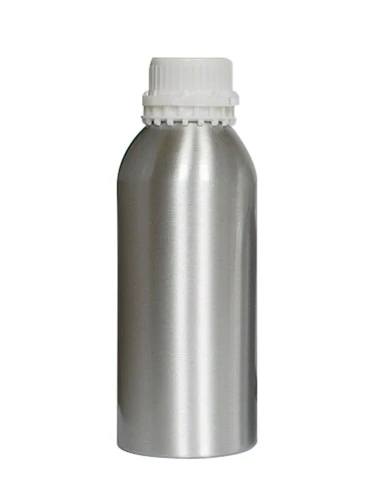
No. Packing follows the buyer's trial size. A 25 kg fibre drum is a production unit; a 1 kg or 5 kg pack is a sampling unit, and the two extract pages and the powder page split on exactly that line. The specification does not change with the pack, but the question of whether both packs came from one lot does.
Which packing question belongs in the quotation?
Four: net content, inner liner, whether the small pack is drawn from the same lot as the drum, and what the drum is lined with. Those four decide whether a sample result can be read as a statement about the mulberry leaf extract lot you will buy.

08 Documents to Request Before You Compare Quotations
Which document settles the comparison?
None alone, and not the quotation. The quotation states what a supplier is willing to sell; the specification sheet states what the article is; the certificate of analysis states what a particular lot measured. Comparing two quotations without the other two documents compares two prices attached to two descriptions you have not read.
Two sheets can be worked through line by line in a quarter of an hour when both name the same fields. Two sheets that name different fields cannot be compared at all, however close the ratio looks.
What if a supplier sends only a quotation?
Then the quotation is a starting point, not an offer you can accept. Request the specification sheet with the part, the ratio, the method and the packing named, then the certificate for the lot that will ship. The order we use for reading a certificate line by line is set out in our notes on a chondroitin sulfate COA.
09 What to Put in Your Own Purchase Specification
Which fields belong in a mulberry purchase specification?
Seven: the plant part, the declared form, the ratio, the test method with its reference standard, the appearance against a retained sample, the packing, and the documents due with each lot. Write them before you request a quotation, not after, because each one changes what a supplier can offer. Buyers also commonly ask whether the material is standardised to DNJ; if that matters to your process, ask for it as a written specification line with its method, and read a page that prints only a ratio as having answered a different question. Our notes on herbal extract powder sourcing follow the same order.
10 Frequently Asked Questions
Is mulberry leaf extract the same as mulberry fruit extract?
No. They come from different parts of the plant, they are declared with different appearances, and on our pages they carry different CAS registry entries. Read them as two articles with two specification sheets.
Does a 10:1 ratio tell me the active content?
It does not. A ratio records how much raw material produced how much extract. Content is a separate measurement that needs a named compound and a method, and neither is contained in a ratio.
Can a TLC result and a UV result be compared?
No. TLC gives a pattern read against a reference; UV gives an absorbance figure at a chosen wavelength. They answer different questions, and a number from one cannot be set against a number from the other.
Why do two of your pages share one CAS number?
The number identifies a registered substance, and two pages can carry the same entry while describing different physical forms. Ask which registered substance the number refers to and whether both pages mean the same one; the answer belongs in writing, not in a catalogue.
Is the 1 kg pack the same material as the 25 kg drum?
It should be the same specification. Whether it is the same lot is a separate question, and it is worth a written question before you use a sample result to judge a production order.
Do you supply bulk quantities with OEM packing?
Packing and labelling are confirmed per order, together with the specification the lot will be released against. Send the seven fields from section nine with your destination and volume, and the quotation will state both.
11 Request a Specification Sheet
If you are comparing mulberry leaf extract offers, send the part, the ratio and the method you are working to. We will return the specification sheet for that article with the test method named, the packing options, and a sample drawn from the lot we would ship.
Email liu@wellgreenxa.com or message us on WhatsApp with your target specification. We reply within 24 hours. If your comparison already includes a certificate from another supplier, send that too - it is faster to say where two sheets are not comparable than to rebuild the specification from the start.
---