




Buying chaga mushroom extract powder in bulk is mostly a documentation exercise. The material is a fungal extract rather than a standardised single molecule, the market quotes it with extract ratios that mean less than buyers expect, and the number that decides value - the measured polysaccharide content - depends on which analytical method produced it. This guide is written for the buyers who have to settle those questions: procurement teams, product developers and quality managers at supplement, food and beverage brands, contract manufacturers and private-label suppliers. It covers what the material is, how to read a chaga specification and its test methods, what a certificate of analysis and technical data sheet should contain, how bulk orders are packed and delivered, and what to check before approving a supplier.
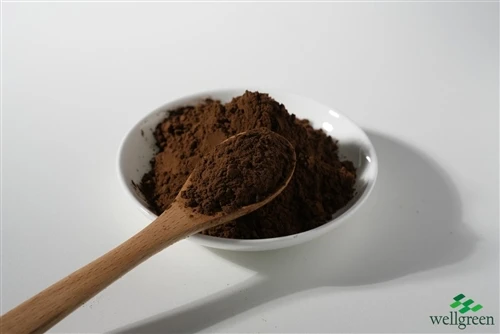
What Chaga Mushroom Extract Is - and How Buyers Specify It
Chaga is a fungal sclerotium that grows on birch, and the commercial ingredient is an extract of it - supplied as a powder, usually after water, alcohol or dual extraction, and dried onto a carrier. It is a defined botanical-type material: what you receive depends on the raw material, the extraction route and the drying step, not on a single active that can be written into a contract as a percentage.
That is exactly why buyers specify it the way they do. Three things replace the certainty a synthetic ingredient would give you:
- An extract ratio, which describes the input-to-output relationship of the extraction rather than a measured content.
- A polysaccharide content, which is the closest thing to a standardised marker for this material - and which means very different things depending on the method used to measure it.
- A document set, because the identity and the method are what make the ratio and the content verifiable at all.
For the wider question of how this mushroom sits alongside the other functional fungi, our existing comparison of how chaga compares with reishi and lion's mane covers the material differences; this article stays on the specification and the purchase.
Reading a Chaga Specification: Extract Ratios, Polysaccharides and Test Methods
The two ratios most often quoted for chaga mushroom extract are 10:1 and 20:1, and both describe how much dried raw material went into the extraction rather than how much of anything is present in the finished powder. A 20:1 grade is not automatically "stronger" than a 10:1 grade: the ratio interacts with the extraction route, the drying process and the carrier, so it should be read together with the measured content, not instead of it.
| Grade marker | What it describes | What to request alongside it | Where it fits |
|---|---|---|---|
| 10:1 extract ratio | Input-to-output relationship of the extraction | The polysaccharide value with its method, moisture, carrier identity and proportion, particle size | Formats where a moderate inclusion rate and cost per kilogram are the priorities |
| 20:1 extract ratio | Same, at a higher concentration of input material | The same items, plus batch-to-batch data showing the content holds across lots | Formats where a smaller dose weight or a more concentrated contribution is wanted |
| Polysaccharide content | The measured marker, reported against a stated method | The method itself - UV/VIS or a chromatographic determination - and a representative result | Any format where the specification has to be defended to a reviewer |
The test method is the part buyers most often skip, and it is the one that makes two quotations comparable. A polysaccharide figure obtained by a colourimetric UV/VIS determination and one obtained by a chromatographic method are measuring under different assumptions, so the same number can represent different things. Ask for the method name, the reference it follows where one exists, and a representative result rather than a bare percentage. Where the material is dual-extracted, ask the supplier to state the extraction route in writing too, because it changes what the powder contains.
Quality Documents: What a COA and TDS Should Cover
For this material the certificate of analysis and the technical data sheet do most of the commercial work, so it is worth being specific about what you accept. Our how quality documents are checked page sets out the wider framework; applied to chaga, the documents should carry:
- Identity and origin statement for the raw material, plus the producing site - recorded as provenance, not as a quality ranking.
- Extraction route and ratio, stated explicitly: water, alcohol or dual extraction, and the ratio claimed.
- Polysaccharide content with the method, and a representative chromatogram or spectrum where one applies.
- Moisture and water activity, plus particle size distribution and the carrier identity and proportion.
- Contaminant testing - heavy metals, microbiological limits and pesticide residues - set against your destination market and tested per batch.
- Storage conditions and shelf life with the packaging they assume, not a shelf-life figure on its own.
Two habits matter here. Ask for the certificate that belongs to the lot you receive, and read the methods column rather than the results column - a value without a method cannot be compared with a competing offer or defended to a reviewer. Where a figure in the specification comes from a single qualification batch rather than routine testing, ask the supplier to say so in writing.
Bulk Packaging, Stability and Delivery
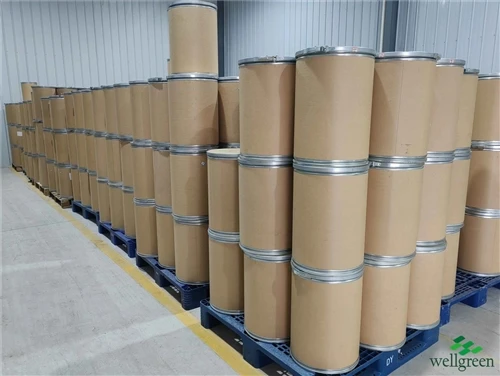
Once the specification is agreed, delivery is decided by packaging and moisture control. Powdered fungal extracts are hygroscopic to a degree that has to be stated, and the practical items are the same whether you are buying chaga mushroom extract or any other botanical grade:
- Container closure and liner. Ask for the packaging configuration in writing - the inner liner and the closure that the declared shelf life assumes.
- Storage conditions. Temperature, humidity and light protection, stated as assumptions behind the shelf life rather than as advice.
- In-use behaviour. What happens after the container is opened, which is where a powder with a stated two-year ambient shelf life can still fail in a humid filling room.
- The delivery documents. Packing list, lot number, certificate of analysis for that lot, and the safety data sheet - with the lot number on the paperwork matching the lot number on the packaging.
Keep a retained sample from each delivered lot. On a material specified by ratio and a colourimetric marker, a later question about consistency is much easier to settle against the retained material than against the paperwork alone.
Verifying a Chaga Supplier Before You Order
Because the specification rests on documents, approving a supplier is largely a question of whether those documents are produced as a matter of routine. Our verifying a botanical ingredient supplier note covers the general process; for this material, four checks carry most of the weight:
- Method disclosure. A supplier who can state the polysaccharide method, its reference and its limits of detection is answering the question that matters. One who can only restate a percentage is not.
- Batch-level data. Ask for two or three recent certificates for the same grade and compare them. Variation across recent lots predicts your next order better than a single good certificate.
- Raw material control. Ask how the incoming fungal material is accepted and identified, and whether the supplier can describe that acceptance step.
- Sample qualification. Request a sample of the exact grade and run your own checks on it - moisture, flow and behaviour in your matrix - before committing to a commercial volume. MOQ is set according to the individual project, and small initial quantities for testing and sample evaluation are supported.
One caution on framing: this material is widely marketed outside the B2B channel with claims that belong to another regulatory category. This article deliberately makes none of them. What a finished product may say about chaga is governed by the rules of the market where it is sold and must be substantiated by the brand owner - confirm the position with the competent authority or a regulatory consultant, as this is a sourcing orientation and not legal advice.
FAQ
What does the extract ratio (10:1 vs 20:1) actually tell a buyer?
It describes the input-to-output relationship of the extraction - how much dried raw material the process started from - rather than a measured content in the finished powder. A higher ratio does not automatically mean a stronger product, because the ratio interacts with the extraction route, the drying step and the carrier. Read it together with the measured polysaccharide content and its method.
Which test methods are used for chaga polysaccharides, and why does the method matter?
A colourimetric UV/VIS determination is the common approach, with chromatographic determinations also used. The method matters because the two are measuring under different assumptions, so the same figure can represent different things. Ask for the method name, the reference it follows where one exists, and a representative result rather than a bare percentage.
What should a chaga COA include?
An identity and provenance statement for the raw material, the extraction route and ratio, the polysaccharide value with its method, moisture and water activity, particle size distribution, the carrier identity and proportion, contaminant testing for heavy metals, microbiology and pesticide residues against your market, and the storage conditions and shelf life with the packaging they assume.
How is bulk chaga extract powder packed and stored?
In moisture-barrier packaging with a stated container closure and liner, stored according to the conditions the declared shelf life assumes - temperature, humidity and light protection. Ask what happens after the container is opened as well, and keep a retained sample from each delivered lot so a later question can be answered against the material.
What should I check before approving a chaga supplier?
That the supplier states the polysaccharide method and its reference, that they can supply two or three recent certificates for the same grade, that they can describe how incoming raw material is accepted and identified, and that a sample of the exact grade performs in your own matrix. The pattern in the documents matters more than any single figure.
Whichever chaga mushroom extract grade you shortlist, the ratio, the method behind the content and the documents decide what actually arrives - so fix them in writing and confirm them per lot rather than per product name. If the project needs a modified format or private-label work, OEM and custom manufacturing covers how that scope is handled.
Request Specifications & Samples
Tell us the grade, the application and your destination market, and we will send the specification sheet, batch documentation and a sample plan for your own evaluation.
Email: liu@wellgreenxa.com
Tel/WhatsApp: +86-19890982054
Or use the inquiry form below - we usually reply within 24 hours.
Sources
- U.S. Food and Drug Administration - Dietary supplement ingredient resources. https://www.fda.gov/food/dietary-supplements/information-select-dietary-supplement-ingredients-and-other-substances
- U.S. Food and Drug Administration - Q1A(R2) Stability Testing of New Drug Substances and Products (ICH guidance; the reference framework most suppliers work to for stability protocols). https://www.fda.gov/regulatory-information/search-fda-guidance-documents/q1ar2-stability-testing-new-drug-substances-and-products
