



Psyllium Husk Powder, also known as bulk psyllium husk powder, has become one of the most sought-after high-fiber ingredients in the nutraceutical industry. As a premium source of soluble fiber derived from Plantago ovata husk, it is increasingly embraced by formulators, manufacturers, and health-conscious consumers alike. In this article, we explore the factors driving this trend, the unique advantages of psyllium, key applications, and what its growth means for ingredient suppliers and food enterprises.
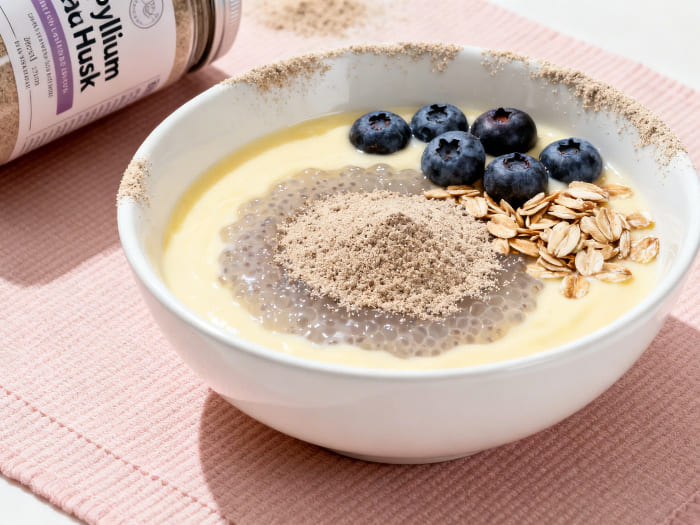
1. The High-Fiber Revolution: Why Nutraceuticals Are Changing
In recent years, consumer interest in gut health, blood sugar control, and cardiovascular wellness has surged. These are not just lifestyle trends-they reflect a broader shift in preventive healthcare, where natural ingredients like dietary fiber are playing a central role.
- Digestive Health: People are becoming more aware of the importance of regularity, prebiotic effects, and gut microbiome balance.
- Metabolic Wellness: Elevated blood sugar and cholesterol continue to drive demand for supplements that offer functional benefits beyond basic nutrition.
- Clean-Label Preference: Consumers increasingly prefer natural, plant-derived ingredients-psyllium husk powder fits naturally into this "clean-label, high-fiber" category.
As a result, psyllium has emerged as a flagship high-fiber ingredient in nutraceuticals, hailed for its efficacy, safety profile, and versatility in formulation.
2. Global Dietary Fiber Market Trends: Macro Tailwinds for Psyllium
The growth of the psyllium husk powder segment is strongly backed by broader market trends in the dietary fiber space.
The global dietary fibers market is projected to expand at a compound annual growth rate (CAGR) of around 9.4% from 2025 to 2034, according to a report by Precedence Research.
Other market research estimates the soluble dietary fiber segment, which includes psyllium, to be a major driver of this growth.
Specifically for psyllium, the global market is forecast to grow from USD ~ 347.8 million in 2023 to USD 660.7 million by 2030, representing a 9.7% CAGR.
In parallel, certain reports suggest that the psyllium husk powder market alone could reach USD 500.84 million by 2033, growing at a CAGR of 5.8%.
These market data indicate a robust and sustained demand trajectory, underpinned by rising consumer health awareness, aging populations, and increasing inclusion of fiber in functional foods and supplements.
3. What Makes Psyllium Husk Powder Stand Out
Not all dietary fibers are created equal. There are many fiber sources on the market, but psyllium offers several unique advantages that make it a preferred choice for nutraceutical formulators.
3.1 High Purity and Fiber Content
High-quality psyllium husk powder typically offers ≥ 95–98% purity, with substantial soluble fiber content - in some products, that means ~80% or more fiber per dry weight. This makes it a very efficient source of fiber. (Note: for your own product, ensure to quote your exact figures.)
3.2 Exceptional Water-Holding and Gel-Forming Capacity
When psyllium fiber is exposed to water, it rapidly absorbs and swells to form a viscous gel. This property is beneficial in several ways:
Satiety / Weight Management: The swelling effect increases stomach fullness, helping to curb appetite and support healthy weight control.
Glycemic Control: The gel slows the absorption of sugars, helping to moderate post-meal blood glucose spikes.
Cholesterol Management: The viscous gel can bind bile acids, assisting in lowering LDL cholesterol.
3.3 Clean-Label, Natural Origin
Derived from Plantago ovata husk, psyllium is a plant-based, minimally processed fiber. For formulators looking for "clean-label" ingredients, it hits the mark - no chemical modification, just a natural water-absorbing fiber.
3.4 Low Allergenicity and Good Tolerability
Compared to some other functional fibers, psyllium is generally well tolerated. It is low in common allergens, and its gel-forming behavior is relatively mild on the gut, making it suitable for a broad range of consumers and formulations.
3.5 Versatility for Formulation
Because of its physical properties and high fiber content, psyllium husk powder is highly compatible with many types of products - from capsules and powders to food bars, beverages, and bakery items.
4. Key Applications: Where Psyllium Is Most Valuable
Given its functional profile, psyllium husk powder finds traction across a variety of product categories in the nutraceutical and functional food space:
-
Nutraceutical Supplements
Digestive health supplements
Weight-management or meal-replacement powders
Blood sugar–support formulations
-
Functional Foods & Beverages
High-fiber drinks (e.g., fiber-enriched waters or shakes)
Fiber-fortified nutrition bars or snack products
Smoothie mixes and functional meal powders
-
Gluten-Free Bakery
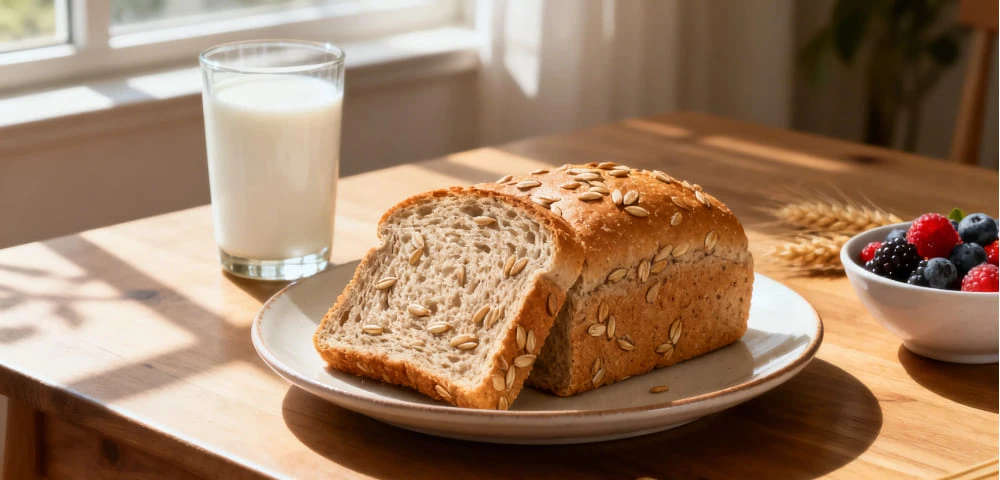
Gluten-free breads or cakes benefit from psyllium's gel-forming capacity, which helps mimic gluten's structural role and improve texture.
High-fiber baked goods: combining clean-label appeal with health benefits.
-
Sugar-Control Formulations
Products targeting post-prandial blood sugar moderation
Supplements or food formulations for pre-diabetic consumers
Functional foods designated for glycemic control
These application trends show why psyllium is becoming central in both supplement and functional food innovation.
5. Strategic Implications for Ingredient Suppliers & Food Manufacturers
From a B2B perspective, the rising popularity of psyllium husk powder has major strategic implications:
5.1 Stable Long-Term Demand
Given the strong forecast for both the psyllium market and the broader dietary fiber market, ingredient suppliers can expect sustained demand.
As health awareness and preventive nutrition continue to drive fiber adoption, psyllium remains a core building block for future product pipelines.
5.2 Attractive Unit Economics
Because of its high fiber concentration, psyllium can deliver more "functional value" per kilogram compared to lower-purity fibers, potentially improving margin profiles.
Bulk psyllium husk powder provides cost advantages when sourcing raw material in large volumes, making it more scalable and economical for formulators.
5.3 Competitive Differentiation
For food companies, incorporating psyllium into clean-label, high-fiber products provides a competitive edge: it supports wellness claims (e.g., "supports digestion", "helps control cholesterol") while aligning with consumer demand for natural, plant-based ingredients.
For supplement companies, psyllium can be a signature ingredient in digestive or metabolic health lines, helping to differentiate from generic fiber blends.
5.4 Supply Chain & Quality Considerations
As demand rises, ingredient suppliers must ensure batch-to-batch consistency in purity, fiber content, and water-holding capacity.
Certifications (such as ISO, HACCP, Kosher, or others) and robust quality control are critical to appeal to global nutraceutical customers.
Offering flexible packaging, customized particle sizes, or private-label solutions can enhance competitiveness.
6. Long-Term Outlook: Seizing the Fiber Growth Opportunity
Psyllium Husk Powder is not just another fiber; it is becoming a strategic core ingredient in the rapidly expanding nutraceutical landscape. The combination of rising market demand, its well-understood health benefits, and formulation flexibility makes it a very attractive choice for ingredient companies and food manufacturers alike.
As the global dietary fiber market continues to grow (with forecasts estimating it could more than double or even triple in value over the next decade) , psyllium husk powder is well-positioned to capture a growing share of the soluble fiber segment.
Simultaneously, the psyllium-specific market is forecast to expand strongly, driven by increased adoption in both supplement and functional food applications.
For ingredient suppliers, maintaining excellence in quality and scalability-while expanding into new geographies and application types-will be key to capitalizing on this long-term trend.
Conclusion
In summary, Psyllium Husk Powder (bulk psyllium husk powder) is emerging as a cornerstone high-fiber ingredient in the global nutraceutical market. Its clean-label, plant-based origin, combined with scientifically proven benefits for digestion, cholesterol, and glycemic control, makes it a powerful choice for supplement and functional food formulators.
As demand continues to rise, ingredient suppliers and food manufacturers who strategically integrate psyllium into their product development will be better positioned to ride the global dietary fiber wave. By investing in high-quality production, certification, and custom formulations, businesses can not only meet but shape the next generation of health-focused products powered by soluble fiber.
