



Astragalus Root Extract is a standardized botanical ingredient derived from the root of Astragalus membranaceus, a plant with centuries-old use in Traditional Chinese Medicine. Unlike raw astragalus herb, the extract delivers a concentrated and consistent profile of key bioactive compounds - such as polysaccharides, flavonoids, and triterpenoid saponins including astragalosides - making it a valuable functional ingredient for dietary supplements, functional foods, and nutraceutical formulations. This article explains what astragalus extract is, highlights its core actives like astragaloside IV, details the extraction and standardization process, and illustrates why standardized extracts offer clear advantages over raw herb powder for B2B buyers and ingredient developers.

1. Astragalus Root: Botanical Background and Traditional Use
Astragalus (Astragalus membranaceus) is a perennial herb native to northern and eastern Asia, prized in traditional systems for its tonic and adaptogenic qualities. Historically, astragalus root has been used to support vitality, resistance to stress, and overall wellness. Modern research continues to explore its immunomodulatory, antioxidant, and adaptogenic properties, often linking these functional roles to specific phytochemical families found in the root. medino
Raw astragalus herb is typically administered in decoctions, teas, or as dried slices. However, in industrial and nutraceutical settings, the raw root poses challenges for consistent formulation due to variable active content and complex matrix components that may include non-functional fiber, minerals, and other constituents.
2. What Is Astragalus Root Extract?
Astragalus root extract is produced by extracting the botanical root with solvents (commonly water or hydro-ethanolic solutions), concentrating the bioactive compounds, and drying the result into a powder form. This process yields a standardized botanical extract powder with controlled levels of targeted phytonutrients such as:
- Astragalus Polysaccharides (APS) - complex carbohydrates linked to immune support and cellular health.
- Astragalosides (notably Astragaloside IV) - triterpenoid saponins often used as marker compounds in quality control. kingsci.com
- Flavonoids like isoflavones and related phenolics have antioxidant and anti-inflammatory activity.
Standardized extracts are often specified by the percentage of one or more of these actives (e.g., 10–50% polysaccharides or a defined astragaloside IV content), enabling consistent dosing, formulation precision, and measurable quality across production lots.
3. Standardized Extract vs. Raw Herb: Key Differences
🔹 Consistency and Predictability
Standardized extract: Delivers consistent levels of active constituents from batch to batch, supporting reliable product formulation and claims.
Raw herb: Composition is highly variable depending on harvest conditions, plant age, and geography, making formulation less predictable.
Standardization is especially crucial for B2B customers targeting functional markets with clear ingredient specifications and regulatory expectations.
Bioactive Concentration and Potency
Extracts concentrate bioactive families (polysaccharides, saponins, flavonoids), meaning smaller quantities can deliver equivalent or stronger functional potential compared with raw herb powder.
Raw root powder includes significant inert material (cellulose, lignin), reducing the relative proportion of desired actives.
This higher bioactive density makes standardized extracts more efficient for formulation in capsules, tablets, or complex blends.
Formulation and Process Compatibility
Extract powder is easier to blend, encapsulate, and dissolve in modern formulations due to its fine, standardized powder form.
Raw herb powders often require additional milling and filtration to meet industrial particle size and consistency standards.
For OEMs and contract manufacturers, extract powders translate into lower variability and fewer manufacturing bottlenecks.
4. How Astragalus Root Extract Is Produced
The industrial production of astragalus extract typically follows several well-controlled steps to preserve activity and ensure quality:
Step 1: Raw Material Sourcing
High-quality roots are harvested from controlled botanical sources. Selection criteria include species authenticity, maturity, and absence of contaminants.
Step 2: Extraction
The powdered root is extracted using hot water or aqueous solvents. This dissolves polysaccharides, flavonoids, and saponins from the plant matrix into solution.
Step 3: Filtration and Concentration
The extract solution is filtered to remove insoluble plant material and then concentrated under reduced pressure to increase active compound density.
Step 4: Purification (Optional)
Advanced steps like resin adsorption or membrane filtration may be used to further purify specific actives for higher-grade standardized extracts.
Step 5: Drying and Powdering
The concentrated extract is dried - typically by spray drying or vacuum drying - to form a stable powder suitable for packaging and use in finished goods.
This controlled process ensures a clean, reproducible extract that can meet the demands of global ingredient standards, including food, nutraceutical, and dietary supplement markets.
5. Scientific Basis for Key Active Components
⭐ Astragalus Polysaccharides (APS)
APS are often considered the most well-studied constituents of astragalus extract. They are associated with immune modulation, antioxidant protection, and cellular function in preclinical studies.
⭐ Astragalosides
Astragalosides - particularly astragaloside IV - are marker compounds in quality testing due to their presence in saponin fractions and their documented biological relevance. These compounds contribute to the profile that makes standardized extracts attractive for functional formulations. kingsci.com
⭐ Flavonoids
Flavonoid families in astragalus, such as isoflavones and quercetin derivatives, contribute to anti-inflammatory and antioxidant activity - qualities valuable in wellness-focused product lines.
While human clinical data remain limited relative to some pharmaceuticals, robust analytical data and a long history of safe use support the responsible inclusion of standardized astragalus extracts in dietary supplement and functional ingredient portfolios.
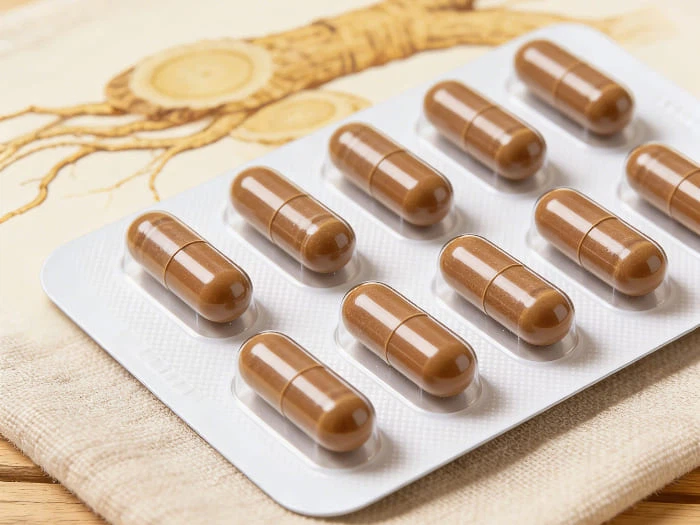
6. Benefits of Choosing Standardized Extracts for B2B Formulations
For B2B buyers and formulators, standardized astragalus root extract offers:
✔ Reproducible quality - Crucial for label claims and regulatory compliance.
✔ Efficient dosing - Higher active concentrations mean smaller doses can achieve desired levels.
✔ Easier manufacturing - Fine, powdered extract integrates smoothly into capsules, tablets, blends, and liquid systems.
✔ Quality control support - Certificates of Analysis (CoAs) and specifications tied to active markers ensure consistency.
These benefits translate to better ingredient performance, stronger product claims, and improved customer confidence across retail and industrial markets.
7. Considerations for Ingredient Buyers
When sourcing astragalus root extract, B2B buyers should consider the following:
- Specification of actives (e.g., polysaccharides, astragaloside IV)
- Extraction method and solvent profile (water vs. hydro-ethanolic)
- Purity and microbiological safety testing
- Certificate of Analysis (CoA) and batch traceability
- Compliance with international quality standards (e.g., ISO, GMP, organic, where relevant)
Partnering with a supplier that provides transparent documentation, validated testing methods, and scalable production helps buyers minimize risk and ensure product integrity from lab to finished formulation.
8. Summary: Why Standardized Astragalus Extract Matters
In contrast to raw astragalus herb, standardized astragalus root extract delivers measurable concentrations of core phytochemicals such as polysaccharides, flavonoids, and astragalosides - offering predictable quality, formulation flexibility, and higher functional potential. For B2B customers in supplements, nutraceuticals, and health-oriented food applications, this translates into greater confidence in product quality and performance.
Ready to Integrate High-Quality Astragalus Root Extract?
If you're evaluating astragalus extract ingredients for your next product line and need suppliers with standardized extracts, reliable quality documentation, and scalable supply, we're here to help.
👉 Contact us today to request a sample, full specification sheet, and Certificate of Analysis - and discover how our astragalus extract can elevate your formulations with consistent, science-backed quality.
