



Introduction
Pumpkin Extract Powder has evolved from a seasonal ingredient into a multifunctional raw material across the food, nutraceutical, and beauty industries. Its unique nutrient composition-rich in carotenoids, amino acids, zinc, and plant-based polysaccharides-makes it an ideal addition to modern formulations seeking natural color, stability, and bioactive functionality.
As the demand for clean-label, plant-based, and nutrient-enriched products continues to grow, formulators are increasingly turning to pumpkin-derived ingredients for both health and sensory enhancement.

Physicochemical Properties and Formulation Compatibility
The technical success of any formulation begins with understanding the physical and chemical characteristics of the ingredient.
Pumpkin Extract Powder offers several advantages:
- Color and Flavor:
Naturally golden-orange, it provides a warm hue that enhances visual appeal in beverages, bakery mixes, and protein powders. Its mild, slightly sweet flavor profile integrates well with fruits, oats, and plant proteins without overpowering other components.
- Solubility and Dispersibility:
Depending on the carrier (commonly maltodextrin or acacia gum), spray-dried pumpkin extract displays good dispersibility in both hot and cold systems. It is compatible with dairy matrices, oat milk, and plant-based protein beverages. However, due to the presence of insoluble fibers and carotenoids, optimized mixing or emulsification is recommended for clear drink applications.
- Stability:
Carotenoids and polyphenols in pumpkin extract are sensitive to light and heat. Encapsulation techniques or low-temperature processing (below 60 °C) help retain bioactivity. When blended with antioxidants such as vitamin E or rosemary extract, oxidative stability is further enhanced-important for long shelf-life products.
Compatibility with Nutritional Systems:
Pumpkin extract integrates smoothly with protein powders, prebiotic fibers, and plant-based oils. In high-protein systems (e.g., pea or soy blends), it contributes micronutrients and natural color while improving sensory balance.
Functional Applications in Food and Nutraceutical Formulations
1. Dietary Supplements: Metabolic and Blood Sugar Support
Pumpkin extract is naturally abundant in zinc, magnesium, and triterpenoids, which are linked to glucose regulation and lipid metabolism.
A study published in the Journal of Medicinal Food (2019) found that pumpkin polysaccharides helped improve insulin sensitivity and modulate blood glucose in animal models, highlighting its potential for blood sugar management in nutraceutical formulations.
When standardized for carotenoid and zinc content, Pumpkin Extract Powder serves as a bioavailable, plant-derived ingredient for capsules, gummies, and functional tablets targeting metabolic health.
2. Plant-Based Meal Replacements
As consumers shift toward plant-based diets, functional meal powders enriched with natural antioxidants and micronutrients are gaining traction.
Pumpkin extract contributes fiber, potassium, and beta-carotene, enhancing both nutritional density and color appeal.
In plant protein blends, such as those based on pea, rice, or oat, pumpkin extract provides:
- A mild natural sweetness that balances earthy protein flavors.
- Color uniformity and appealing orange tones.
- Additional micronutrients supporting energy metabolism and immunity.
Formulators can use pumpkin extract at 2–5% inclusion levels for visible color and nutritional enhancement, depending on product positioning and flavor target.
3. Functional Beverages and Smoothies
Pumpkin Extract Powder is increasingly applied in functional beverage systems, particularly those marketed for "metabolic balance," "immune support," or "autumn-inspired wellness."
In RTD smoothies or powdered drink mixes, it contributes:
- Natural antioxidants (carotenoids, polyphenols) that stabilize formulations against oxidation.
- Plant-based sweetness and texture due to natural polysaccharides.
- Functional synergy occurs when combined with adaptogens such as ashwagandha or green tea extract.
To improve clarity and mouthfeel, the extract can be combined with soluble fibers or hydrocolloids (e.g., inulin or guar gum). Flavor harmonization with cinnamon, vanilla, or coconut enhances the final sensory experience.
4. Beauty-from-Within and Nutricosmetic Applications
The rise of beauty-from-within formulations has created new demand for plant extracts that support skin health and oxidative balance.
Pumpkin extract provides beta-carotene (a vitamin A precursor), vitamin E, and zinc, all known for promoting skin renewal and protecting against oxidative stress.
In beauty supplements or collagen-boosting blends, Pumpkin Extract Powder can be combined with:
- Hyaluronic acid for hydration.
- Vitamin C to support collagen synthesis.
- Astaxanthin or green tea extract for antioxidant synergy.
Such combinations position pumpkin extract as both a nutritional and cosmetic enhancer in holistic wellness formulations.
5. Topical and Cosmetic Formulations
Beyond ingestible applications, pumpkin extract is also utilized in natural skincare for its enzymatic exfoliating and antioxidant properties.
Water-based extracts rich in fruit enzymes and amino acids are used in facial masks and serums to promote gentle exfoliation and brighten dull skin.
Meanwhile, oil-soluble fractions (rich in carotenoids and vitamin E) serve as active ingredients in creams and lotions, offering anti-aging and barrier-protective effects.
Formulators should consider the extraction type:
- Water or glycol extracts for hydrating and soothing formulations.
- CO₂ or ethanol extracts for antioxidant-rich, oil-phase applications.
Formulation Optimization and Innovation Strategies
While Pumpkin Extract Powder offers strong natural functionality, optimizing performance in final products requires attention to several factors:
- Flavor Management:
The earthy-sweet flavor of pumpkin can be moderated through flavor masking or pairing with vanilla, spice, or nutty profiles. For savory products, combining with tomato or carrot extracts enhances umami perception.
- Solubility Enhancement:
Fine particle size (<80 mesh) and the use of dispersing agents such as lecithin improve solubility in cold systems. Homogenization or microencapsulation can further stabilize emulsions in beverages.
- Nutrient Retention:
To preserve carotenoids and polyphenols, low-temperature drying and oxygen-free packaging are critical. For powder blends, moisture content below 5% ensures better shelf stability.
- Synergistic Formulation:
Pairing pumpkin extract with complementary botanicals-such as cinnamon (glycemic balance), maca (energy support), or turmeric (anti-inflammatory action)-enhances perceived efficacy in wellness blends.
Regulatory and Labeling Considerations
From a regulatory standpoint, Pumpkin Extract Powder is typically classified as a food ingredient or dietary supplement raw material, depending on standardization.
It is widely accepted under EU Novel Food and FDA GRAS categories when derived from Cucurbita pepo and processed without synthetic solvents.
For clean-label positioning:
- Highlight "100% plant-based," "non-GMO," "solvent-free extraction," and "naturally rich in beta-carotene and zinc."
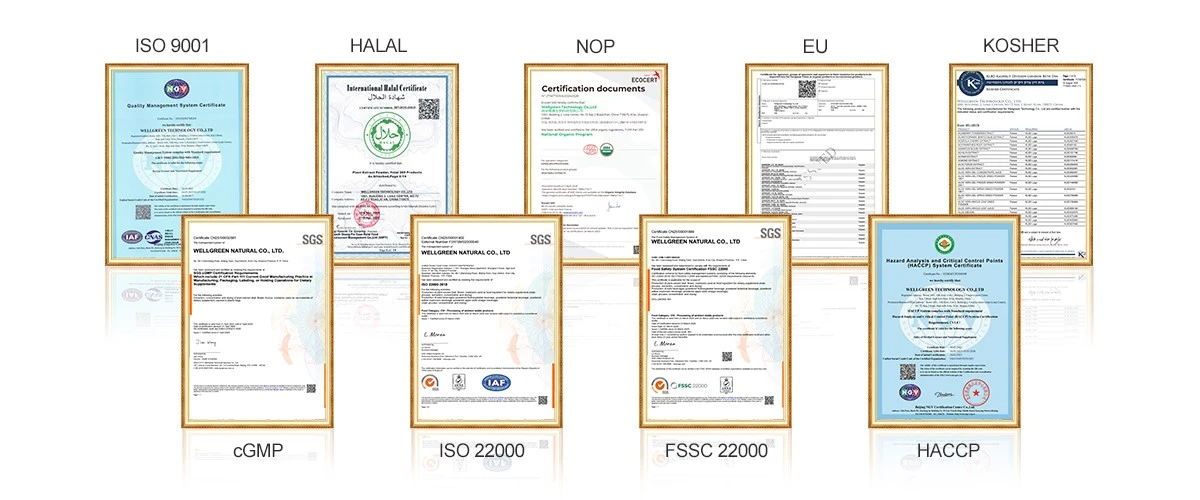
- In markets with organic certification demand, ensure compliance with EU 2018/848 or USDA Organic regulations.
Formulators should also note color declaration requirements for beverage and bakery applications, as carotenoids may influence labeling (natural colorant classification in certain regions).
Conclusion and Call to Action
From metabolic support to skin vitality, Pumpkin Extract Powder stands out as a versatile, nutrient-dense ingredient bridging the gap between nutrition and beauty.
Its natural antioxidant profile, gentle flavor, and formulation flexibility make it a valuable choice for brands seeking to create clean-label, functional, and visually appealing products.
Wellgreen offers standardized Pumpkin Extract Powder with customizable specifications-optimized for color intensity, carotenoid concentration, and solubility.
Our R&D team provides OEM/ODM formulation guidance, ensuring product performance and regulatory compliance in diverse market applications.
References
Liu Y. et al. Journal of Medicinal Food, 2019, 22(5): 456–463.
Gajewska M. et al. Food Chemistry, 2021, 344: 128727.
Zhao H. et al. Nutrients, 2022, 14(1): 115–123.
European Commission. Regulation (EU) 2018/848 on Organic Production and Labeling, 2018.
