



A Golden Ingredient with a Hidden Challenge
Turmeric extract, standardized for curcumin, has long been recognized for its anti-inflammatory, antioxidant, and wellness-supporting properties. Yet, despite its impressive potential, curcumin faces one significant hurdle: poor bioavailability. For B2B buyers in nutraceuticals, functional beverages, and cosmetics, understanding and addressing this challenge is critical to delivering products that actually work.
At Wellgreen, we not only supply premium Turmeric Extract Powder, but also offer advanced solutions that improve curcumin's absorption, ensuring your formulations deliver maximum efficacy to end consumers.
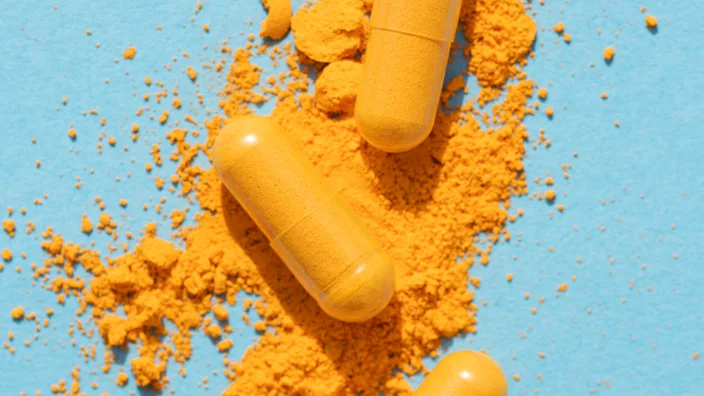
What Is Bioavailability - and Why It Matters
Bioavailability refers to the proportion of a nutrient or active compound that enters the bloodstream and is available for use by the body.
For curcumin, the numbers are striking:
- Raw turmeric powder contains 2–6% curcumin.
- Even concentrated 95% curcumin extract is poorly absorbed, with rapid metabolism and elimination from the body.
This means that without enhancement strategies, much of the curcumin in a formulation may not reach systemic circulation - and its therapeutic potential remains untapped.
Why Curcumin Has Low Natural Bioavailability
Scientific studies have identified several key reasons:
- Poor water solubility – Curcumin is hydrophobic, meaning it doesn't dissolve well in water, limiting absorption in the digestive tract.
- Rapid metabolism – Once ingested, curcumin is quickly transformed into less active metabolites.
- Fast elimination – Even absorbed curcumin is rapidly excreted from the body.
For product developers, this creates a technical challenge: How can you keep curcumin active, stable, and bioavailable long enough for it to work?
Proven Strategies to Enhance Curcumin Bioavailability
1. Piperine (Black Pepper Extract) Co-Administration
Piperine inhibits certain enzymes in the liver and intestine that break down curcumin, increasing absorption by up to 2000% in some studies.
B2B Application Tip: Piperine is cost-effective and works well in capsules, tablets, and powder blends - but must be used within regulatory limits to avoid GI discomfort.
2. Liposomal Delivery Systems
Encapsulating curcumin in liposomes - tiny phospholipid bubbles - allows it to bypass digestive breakdown, improving cellular uptake.
Advantages for Manufacturers:
- Works in both liquid and powdered forms
- Ideal for premium nutraceuticals and functional beverages
- Stable in various storage conditions
Wellgreen offers liposomal turmeric extract for brands targeting the high-absorption supplement market.
3. Nanoparticle Formulations
Reducing curcumin particle size to the nanometer scale increases its surface area, enhancing solubility and absorption.
Common Formats:
- Nano-curcumin powders for beverages
- Solid lipid nanoparticles for softgels
4. Phytosome Technology
Curcumin is bound to phospholipids (usually phosphatidylcholine), creating a curcumin phytosome that mimics the natural structure of cell membranes, making absorption more efficient.
5. Water-Dispersible Curcumin
Using advanced emulsifiers, curcumin can be converted into a water-dispersible powder, making it ideal for RTD beverages, shots, and instant mixes.
Wellgreen's water-dispersible turmeric extract is tested for stability in acidic and neutral pH beverages - ensuring long shelf life and consistent efficacy.
How Bioavailability Impacts Product Efficacy and Consumer Trust
For B2B buyers, bioavailability is more than a scientific buzzword - it directly affects:
Dosage efficiency (Less active ingredient needed for the same effect)
Product differentiation (Premium claim: "Enhanced Absorption Technology")
Consumer satisfaction and repeat purchase rates
Failing to address bioavailability can lead to underperforming products and reduced brand credibility.
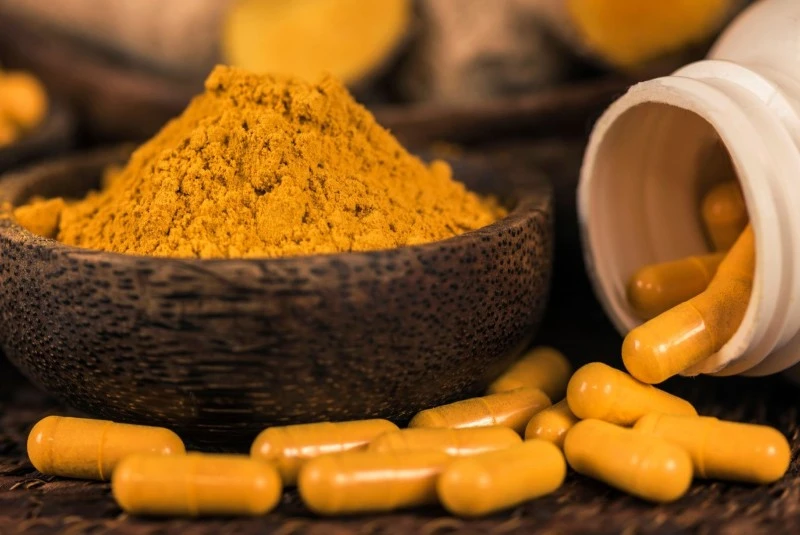
Wellgreen's Technical Advantage
We offer multiple high-bioavailability curcumin formats, each backed by COA, stability data, and application testing:
| Format | Absorption Level | Ideal Applications |
|---|---|---|
| Curcumin + Piperine | High | Capsules, tablets, powder blends |
| Liposomal Curcumin | Very High | Premium supplements, functional drinks |
| Water-Dispersible Curcumin | High | RTD beverages, instant mixes |
| Nano-Curcumin | Very High | Liquid shots, topical formulations |
| Curcumin Phytosome | High | Joint health, brain health products |
Regulatory & Labeling Considerations
When formulating enhanced-bioavailability curcumin products, B2B buyers should keep in mind:
- Regional regulations on piperine content, nanoparticles, and novel food approvals
- Clean-label positioning - choose carriers and emulsifiers that align with your target market's preferences
- Scientific substantiation - ensure bioavailability claims are backed by published research
Conclusion: Turning a Challenge into a Market Advantage
The low natural bioavailability of curcumin is a well-known challenge - but for brands that solve it, it becomes a powerful differentiator.
By partnering with Wellgreen, you gain access to advanced curcumin delivery technologies, global certifications, and a dedicated team to support your product innovation. Together, we can transform turmeric's golden potential into real-world results.
📢 Call to Action
Ready to develop your next high-absorption turmeric product?
Contact Wellgreen for samples, technical support, and formulation insights.
📧 Email: liu@wellgreenxa.com
🔍 References
Shoba, G. et al. (1998). Influence of piperine on the pharmacokinetics of curcumin in animals and human volunteers. Planta Med, 64(4), 353-356.
Cuomo, J. et al. (2011). Enhanced bioavailability with phytosome complexation: Meriva curcumin phytosome. J Nat Prod, 74(4), 664–669.
Hewlings, S.J., Kalman, D.S. (2017). Curcumin: A Review of Its' Effects on Human Health. Foods, 6(10), 92.
