




Sulforaphane for immune support and metabolic detoxification has emerged as a cornerstone of the 2026 functional ingredient market, offering R&D formulators a potent, science-backed Nrf2 activator derived from standardized broccoli sprout extracts. As B2B procurement managers and product developers face increasing pressure to deliver "clean label" solutions that survive rigorous industrial processing, the strategic application of stabilized sulforaphane is no longer optional-it is a competitive necessity. Whether you are engineering a high-performance sports supplement or a luxury anti-aging skincare line, understanding the formulation nuances of this isothiocyanate is the key to unlocking superior bioavailability and long-term product shelf life.
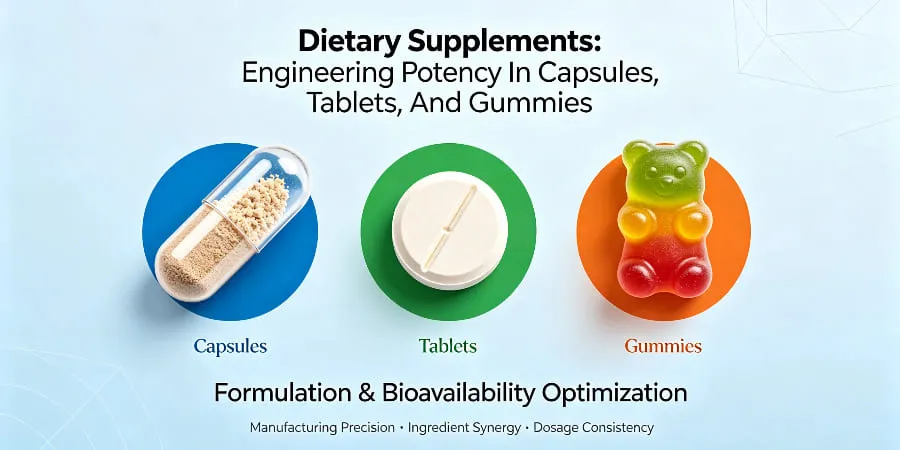
1. Dietary Supplements: Engineering Potency in Capsules, Tablets, and Gummies
The dietary supplement sector remains the largest consumer of broccoli-derived actives. However, "pill fatigue" is driving a shift toward diverse delivery formats that require specialized stabilization strategies.
Core Formulation Strategies
For standard immune and antioxidant support, formulators typically target a range of 0.4% to 1.0% active sulforaphane.
- The "Double-Stabilization" Approach: We recommend a dual-component formulation utilizing glucoraphanin (the precursor) alongside stabilized myrosinase (the enzyme). This ensures that conversion into active sulforaphane occurs in vivo, maximizing the metabolic yield.
- Hormonal and Metabolic Support: Sulforaphane is increasingly paired with diindolylmethane (DIM) or calcium D‑glucarate to support phase II liver detoxification and estrogen metabolism.
- Gummy Challenges: In gummy manufacturing, the high thermal sensitivity of sulforaphane is the primary hurdle. Utilizing a cold‑molding process or advanced microencapsulation prevents the breakdown of the isothiocyanate bonds during the setting phase.
2. Sports Nutrition: Supporting Endurance and Muscle Recovery
The application of sulforaphane for athletes has transitioned from niche biohacking to mainstream sports science. Its value lies in its ability to modulate oxidative stress without blunting the essential signaling required for muscle hypertrophy.
Optimizing the Performance Window
- Antioxidant Enzyme Priming: Unlike direct antioxidants (e.g., vitamin C or E), which may interfere with training adaptations, sulforaphane upregulates the body's endogenous antioxidant systems (GSH, SOD). This makes it an ideal "pre‑hab" ingredient when taken 2–4 hours before high‑intensity training.
- Creatine Kinase (CK) Recovery Support: Research indicates that sulforaphane supplementation can significantly reduce post‑exercise serum creatine kinase levels, accelerating the repair of micro‑trauma in muscle tissue.
- Synergistic Blending: For maximum endurance support, sulforaphane is frequently combined with L‑glutamine or creatine monohydrate to support gut barrier integrity and cellular energy during prolonged exertion.
3. Skincare and Oral Beauty: The Nrf2‑Driven "Inside‑Out" Approach
In the professional cosmetic market, broccoli extract for skincare is celebrated for its ability to activate the "longevity switch" in dermal fibroblasts.
Topical and Oral Beauty Solutions
- Anti‑Photoaging: Topically applied sulforaphane induces the production of protective proteins that shield skin cells from UV‑induced DNA damage, serving as a biological sunscreen booster.
- The Beauty Synergy: Formulators are achieving high conversion rates by pairing oral sulforaphane with collagen peptides or vitamin C. This "inside‑out" strategy uses sulforaphane to detoxify the cellular environment, allowing collagen to be utilized more efficiently for skin structure.
- Cosmetic Specifications: For topical applications, a refined, low‑odor broccoli extract is essential. Our 2026 standardized grades are optimized for color stability in emulsions and serums.
4. Functional Foods & Beverages: Overcoming Stability Barriers
The fastest‑growing segment in the B2B landscape is sulforaphane‑fortified functional beverages and snacks. However, this is also the most technically demanding area due to processing heat and moisture.
Technical Processing Details
To maintain potency in ready‑to‑hydrate (RTH) powders or energy bars, formulators must navigate the following:
- The Bioavailability Booster: Adding mustard seed extract (a natural source of heat‑stable myrosinase) to a broccoli‑based functional powder can double the bioavailability of sulforaphane.
- Flavor Masking: Sulforaphane has a distinct sulfurous "cruciferous" note. Successful B2B formulations utilize natural citrus oils, ginger, or peppermint to bridge the sensory gap, especially in green detox shots.
- Stability Table for Food Matrices:
| Format | Critical Factor | Recommended Solution |
|---|---|---|
| Energy bars | Extrusion heat | Encapsulated sulforaphane powder |
| Detox powders | Moisture/caking | Silica‑free carriers with low water activity |
| RTD beverages | Pasteurization | Cold‑press HPP or post‑processing dosing |
Summary: The B2B Strategic Advantage of Sulforaphane
For the professional decision‑maker, sulforaphane is more than an antioxidant; it is a high‑performance chemical tool for modern health challenges. From protecting athletes against oxidative stress to providing "biological sunscreen" in luxury cosmetics, its versatility is unmatched. The B2B value lies in the reliability of the supply chain-choosing a supplier that provides verified HPLC assays, standardized myrosinase activity, and proven thermal stability data. By solving the formulation hurdles of taste and stability today, you secure a market‑leading position in the cellular wellness revolution of tomorrow.
Partner with Our Technical Team
Are you ready to optimize your next formulation with pharmaceutical‑grade sulforaphane? Our R&D team provides the engineering support required to ensure your product delivers on its clinical promises.
- [Request a Sample]: Test our heat‑stable 1% sulforaphane powder in your matrix.
- [Get Technical Data Pack]: Access COAs, stability studies, and 2026 market trend reports.
- [Consult on Custom Specs]: Discuss custom granulation or odor‑masked grades.
- [Book a Technical Meeting]: Schedule a deep‑dive session with our lead chemists to solve your specific stability challenges.
For technical support and formulation consultation, contact our engineering team: liu@wellgreenxa.com.
References
- Fahey, J. W., et al. (2015). "Sulforaphane Bioavailability from Glucoraphanin-Rich Broccoli: Control by Active Endogenous Myrosinase." PLOS ONE, 10(11). DOI: 10.1371/journal.pone.0140963.
- Houghton, C. A. (2019). "Sulforaphane: Its 'Coming of Age' as a Clinically Relevant Nutraceutical in the Prevention and Treatment of Chronic Disease." Oxidative Medicine and Cellular Longevity. DOI: 10.1155/2019/2716871.
- Yamada, K., et al. (2022). "Stability of Sulforaphane in Aqueous Solutions and Food Matrices: Effects of temperature and pH." Food Chemistry, 389, 132996. DOI: 10.1016/j.foodchem.2022.132996.
- Singh, K., et al. (2014). "Sulforaphane treatment of young men with autism spectrum disorder." PNAS, 111(43), 15550‑15555.
- Dinkova‑Kostova, A. T., et al. (2017). "The role of the Nrf2 pathway in skin photoprotection." Free Radical Biology and Medicine, 110, 159‑174.
- U.S. Food and Drug Administration (FDA). (2024). "Generally Recognized as Safe (GRAS) Notice Inventory: Broccoli Extracts." CFSAN.
- Dataintelo Analysis. (2026). "Global Broccoli Extract Market Forecast 2026‑2034: Growth Drivers in Functional Food and Cosmetics."
